
This course covers the skills and knowledge required to minimise further injury to a casualty when applying first aid and waiting for emergency medical aid. It includes recognition and management of a suspected spinal injury, immobilising cervical spine, evaluating the need to move a casualty, preparing a casualty for transport, transporting and monitoring a casualty, and performing a casualty handover.
A learner is able to apply for Recognition of Prior Learning or Credit Transfer for courses at Vital Skills Training provided this is in line with the RPL and Credit Transfer Policies. Students cannot credit transfer an entire course.
Face to Face
🎉 5BUCK FEB DEAL – Bring a friend for just $5 when you book a course in February!
💰 10% PRICE BEAT GUARANTEE – Find a cheaper price? We’ll beat it by 10%!
This deal can only be redeemed by phone!
Disclaimer: Only applicable to public bookings made by phone for courses listed on vitalskillstraining.com.au with February course dates. This promotion does not apply to group bookings or corporate courses. 🚨 Limited spots available.

This course involves the skills and knowledge required to apply work health and safety (WHS)/occupational health and safety (OHS) regulations and codes of practices in the electrotechnology workplace.

This course equips individuals with the skills and knowledge necessary to safely and effectively support clients in managing their medications. This unit is essential for healthcare workers, support staff, and carers in aged care, disability care, and community services, where assisting clients with medication is a routine and critical task.
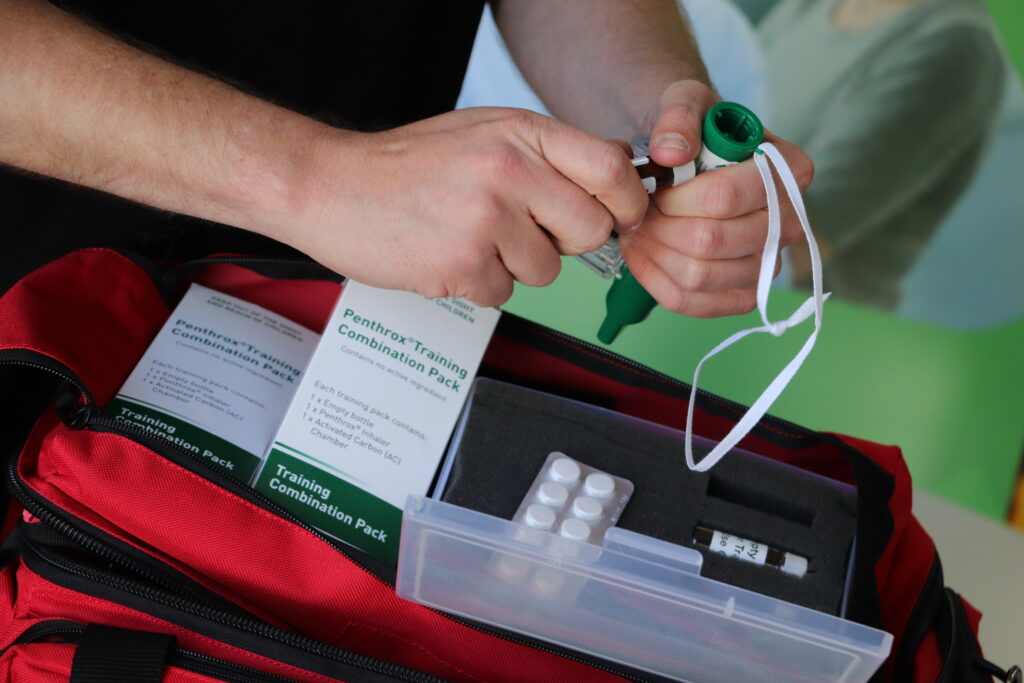
This course involves the skills and knowledge required to administer restricted analgesics to provide pain management as part of a medically supervised first responder organisation. It includes identifying the need for analgesia; accessing, preparing and administering restricted pain relief such as analgesics according to medically endorsed protocols; performing casualty handovers and completing analgesic use requirements. The unit is applicable for personnel from emergency services, volunteer organisations or organisations that provide a medically supervised first aid service.

The Course in the Management of Asthma Risks and Emergencies is designed to provide learners with the skills and knowledge required to: • Develop, review, and update risk assessment and emergency management strategies for individuals identified with asthma and those presenting with asthma-like signs and symptoms. • Recognise the signs and symptoms of an asthma episode. • Respond safely to an asthma episode with first aid principles and procedures. • Use different types of asthma equipment and devices for adults, children and infants/babies.
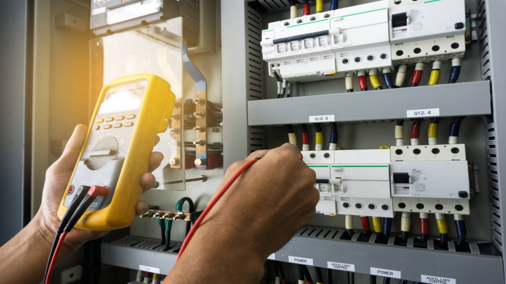
The course in Live Low Voltage Panel Rescue teaches the skills and knowledge required to perform a rescue from live low voltage (LV) electrical apparatus in an electrical industry environment. This does not include overhead lines and underground cables. It includes the organisational workplace requirements for the inspection and use of live LV panel rescue equipment, and how it applies to electricity supply industry (ESI) workers and/or electrical industry workers to meet work health and safety (WHS)/occupational health and safety (OHS), mobility and mutual aid requirements.
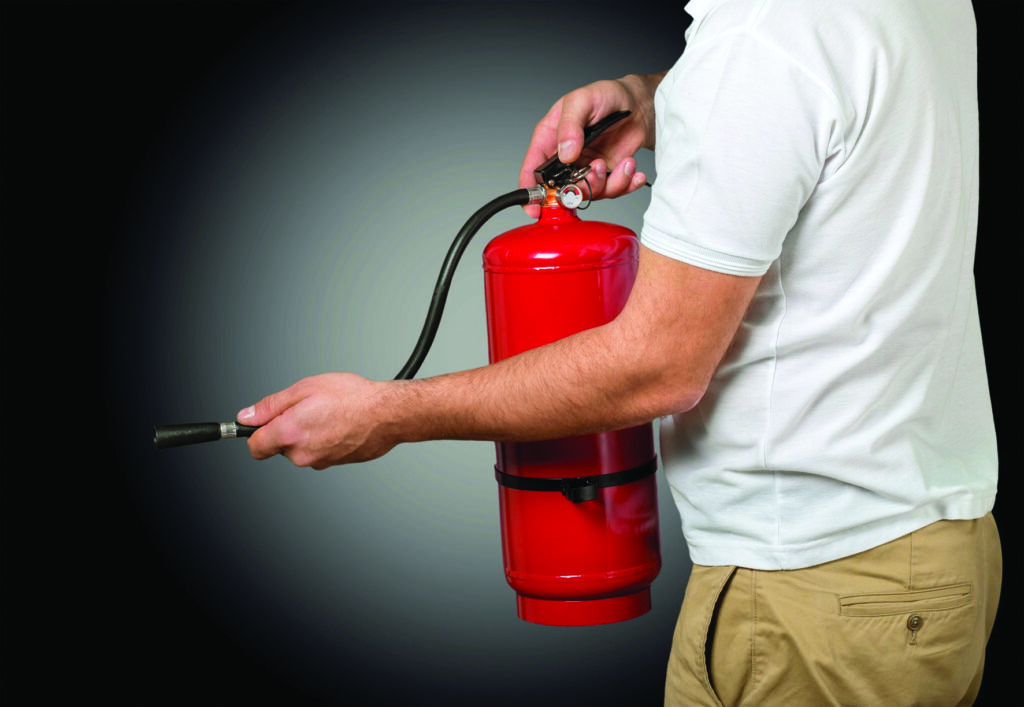
This course covers the skills and knowledge required to confine small emergencies in a facility. It includes preparing for emergency situations, identifying and assessing an emergency, safely confining workplace emergencies, using initial response equipment and reporting on the facility's emergency response. Small emergencies in a facility include incidents such as small fires that can be controlled using a fire extinguisher; chemical spills that can be controlled using facility personal protective clothing and equipment and a spill kit; or a vehicle accident where there is no significant injury or damage.